
In early February, the athleteReg team headed to St. Louis, MO for the Running USA Conference. Some of us were newer to the industry (me) while others have been attending Running USA since the very beginning.
Here are the takeaways that stood out most to me and that any event director can apply to their own events.
1. Don’t skip the group runs
Group runs are where the real networking happens IMO.
Running at a conversational pace is hands down my favorite way to network. It lowers the pressure, gives you something to do together, and makes conversation feel more natural.
Takeaway: Creating shared experiences, like group runs or training programs, builds real community and strengthens participant connection to your event.
2. Experience is an accelerator
I was lucky enough to attend with colleagues who have been to almost every Running USA conference. Needless to say, they know a lot of people.
Having experienced industry leaders by your side makes it easier to connect and adds valuable context to conversations.
Takeaway: Mentorship and peer connection matter in every profession, and event organizing is no different. Having access to experienced voices and shared perspectives helps you make better decisions and feel more supported. Outside Endure is one of the ways we’re bringing event directors together to learn from one another. Join us on May 28th in Denver.
3. Inspiration is contagious
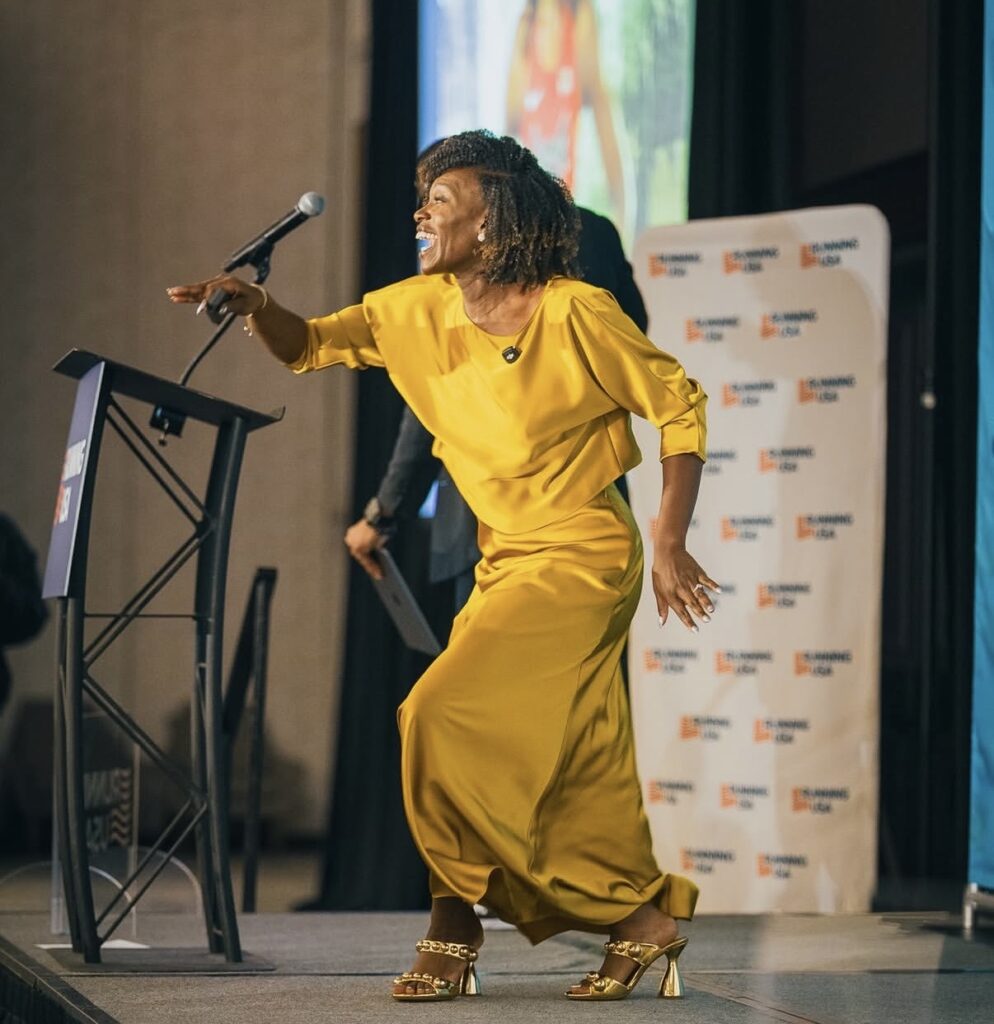
Dawn Harper-Nelson’s keynote was a standout. Her story of resilience and drive was the kind of reminder that resets your mindset and refocuses your energy.
Sometimes all it takes is a powerful message from someone who has truly been there.
Takeaway: Powerful stories remind participants why they signed up in the first place. Build moments that keep motivation high throughout the season.
4. First-time participants deserve extra attention
Marc Goldman’s session on reaching new participants reinforced something simple but powerful. First-timers are the future of your event.
Ideas that stood out:
- Celebrate first-timers publicly
- Offer a first-timer bib or medal
- Create first-timer sponsorship packages
- Assign a dedicated volunteer to support first-timers leading up to race day
Takeaway: When first-timers feel seen, they are far more likely to return.
5. Run clubs are a growth channel
Grassroots marketing came up again and again. Run clubs remain one of the most effective ways to reach runners.
Examples shared included partnering with local run clubs, offering club-specific discount codes, creating run club passes, and showing up with breakfast, swag, or small grants.
Takeaway: Go where runners already gather instead of waiting for them to find you.
6. Teams drive registrations
One event shared a simple incentive that worked. Teams of 12 or more earned their logo on the event shirt, which helped drive group registrations.
Takeaway: Team-based incentives tap into community pride and drive more signups.
7. Training content builds momentum
Encouraging runners to share long runs or training efforts and featuring those moments on social media keeps your event top of mind throughout the training cycle.
Takeaway: Your event experience starts long before race day.
8. Paid social works best when you have a plan
The BibRave Paid Social 101 session reinforced that paid social works best when it is structured and consistently optimized.
Key reminders:
- Lead with runner motivation, not medals
- Build segmented audiences like past participants, site visitors, and lookalikes
- Test at least two creatives and allow time to learn
- Video and UGC outperform static graphics
- Rotate creative to avoid fatigue
- Use retargeting to re-engage interested runners
- Align paid social with email and organic messaging
Takeaway: Timing and relevance matter more than budget
9. Safety planning is part of the participant experience
One large marathon shared how a cardiac incident led to stronger safety protocols, including expanded volunteer training, optional CPR education, and additional medical support in higher-risk sections of the course.
Takeaway: Thoughtful safety planning builds trust with participants.
Final thoughts
Conferences like Running USA are a reminder that the best events are built through shared ideas, strong communities, and continual learning.
If you’re new to athleteReg, start a free account and put these ideas to work as you plan your next event.