
Conversation with Event Director: Betsy Barfield
Event Name: Dirty Pecan
Event Website: https://www.dirtypecan.com/
Read: Reggie Award August 2025 Celebrating Endurance Event Directors
Many event directors do not realize that local tourism offices often provide grants to help fund events that bring visitors into the community. The Dirty Pecan Gravel Ride is a perfect example of how these grants can be secured, measured, and turned into real growth. Event Director Betsy has built her event around community impact, participant experience, and smart marketing. Her story shows how a grassroots event can access new funding, measure results with BikeReg, and grow registrations through the Outside Network.
From Local Roots to Tourism Support
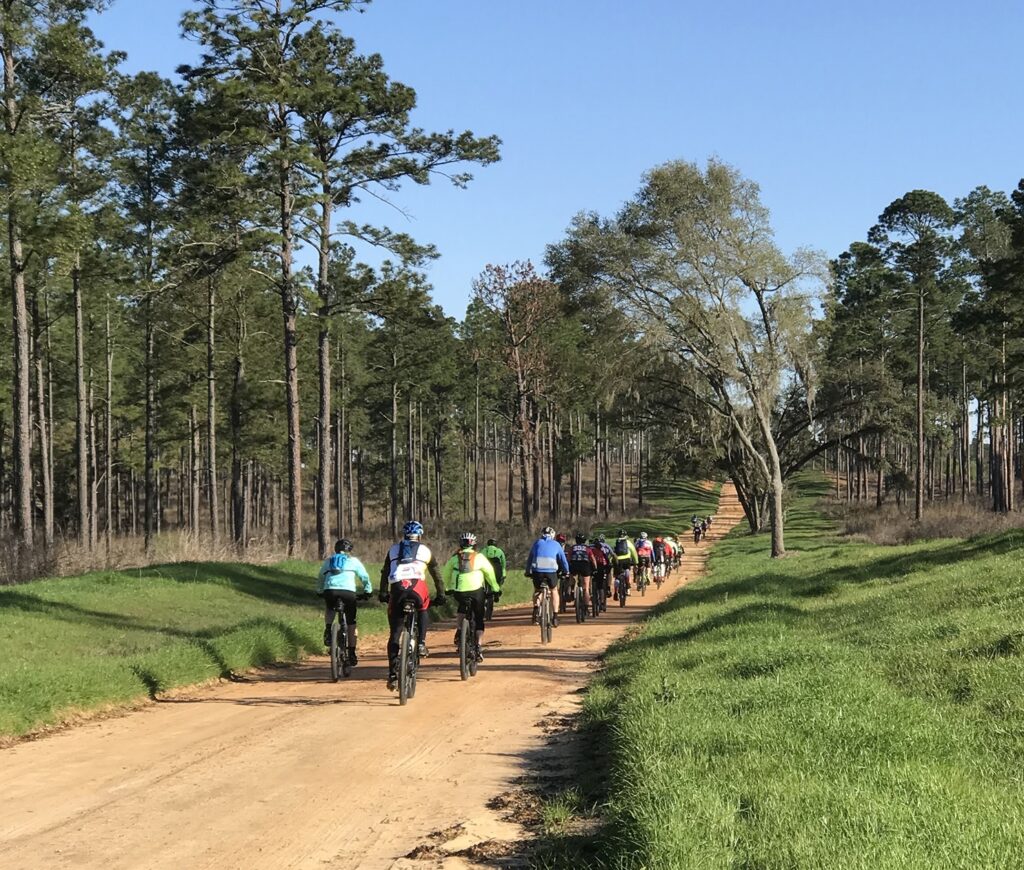
The Dirty Pecan began as a small grassroots event powered by Betsy’s vision and dedication. A lifelong supporter of 4H, she has donated thousands of dollars from her event proceeds to youth development programs in her community. Her passion for agriculture, education, and endurance cycling come together in this gravel ride that benefits both riders and local families.
As the event grew, Betsy saw the opportunity to demonstrate real economic impact for her community. She applied for a tourism grant through her local tourism board, a resource that many event directors overlook. Her application outlined how the event attracts visitors and fills hotel rooms (“butts in beds”). By showing this return, she secured funding that could be reinvested into rider recruitment and promotion. While the process takes some effort, it is well worth it since the funding can make a significant difference to an event’s registration and marketing budget.
Measure Tourism Impact with BikeReg’s Custom Questions and Heat Maps
To strengthen her grant applications and reports, Betsy uses BikeReg’s custom question feature to collect valuable data from participants. Riders are asked where they are staying, which hotel or Airbnb they booked, and other travel details. BikeReg then provides a heat map within the platform that visually displays where participants are coming from. This built-in reporting tool makes it easy for Betsy to showcase the tourism impact of her event and adds strong evidence to support her case when applying for future grants.
Using Tourism Grant Funding to Promote Events
With grant dollars in hand, Betsy invested in targeted promotion. She used the Outside Ad Manager to run ads for The Dirty Pecan on VELO and Pinkbike. These platforms are where cyclists already spend their time, which made the campaign efficient and effective. The result was a measurable uptick in registrations, all fueled by smart grant funding and strategic ad placement.
Steps and Common Questions for Event Directors
- What are tourism grants and how do I apply
Tourism grants are funds provided by local tourism offices to support events that bring visitors and economic activity to the area. Contact your local tourism office and explain the economic benefits of your event. Share data about the number of visitors, where they stay, and how they spend money in town. - How can I measure tourism impact
Use athleteReg’s custom questions to collect lodging and travel information. Then share athleteReg’s built-in heat map in your reports. This makes your results easy to understand and visually compelling. - How do tourism grants work
Grants are typically reimbursement based. Once your application is approved and you know the amount awarded for marketing efforts, you must track your spending and submit proof of payment for advertising or promotion. After that documentation is approved, you receive the funds back. - What is the best way to spend tourism grant money
Focus on targeted promotion. Betsy used the Outside Ad Manager to reach cyclists directly on VELO and Pinkbike. Event directors can choose the platforms where their participants are most likely to be.