
The secret to exceptional event directing isn’t just having your own ducks in a row. It’s stepping into the shoes of every person who’ll show up on event day: the nervous first-timer scanning for parking, the enthusiastic spectator trying to find the best cheering spot, the volunteer wondering if they’re in the right place. When you see your event through their eyes, that’s when good preparation becomes great experiences.
Think Like a Participant
Walk through your event from the participant’s perspective.
Imagine you’re a first-time participant. What questions would you have? Where might you get confused? What would make you feel welcomed and prepared?
Run through the entire participant journey in your mind:
- Arriving and finding parking
- Locating registration/check-in
- Understanding the course layout
- Knowing where to go after finishing
- Finding food, restrooms, and results
Create Your Communication Strategy
Draft your final participant email now: the one you’ll send 24-48 hours before the event. Include parking details, timeline, weather considerations, and any last-minute updates.
Support Your First-Timers
Don’t forget about the nervous newcomers in your participant list. First-time event participants often need extra reassurance about what to expect. Consider sending a special “first-timer guide” email. These participants often become your most loyal returning customers when they feel supported and welcomed from the start.
Think Like a Spectator
Your spectators are the unsung heroes of your event—the cheering squad, photographers, and emotional support crew. A week out is the perfect time to make sure they’re set up for success too.
Share Spectator-Friendly Information
Create a simple spectator guide covering the essentials:
- Best viewing spots
- Parking that won’t interfere with participants
- Event timeline
- Spectator-specific amenities
If your course has multiple viewing opportunities, map them out. Enthusiastic cheering at strategic points can significantly boost participant morale.
Think About the Spectator Experience
What makes spectators comfortable and engaged? Consider:
- Shade and seating options
- Food and drink availability
- Restroom access
- Clear sightlines
If you’re expecting families or kids, think about ways to keep them entertained. Happy spectators create positive energy that participants will feel and remember.
Think Like a Volunteer
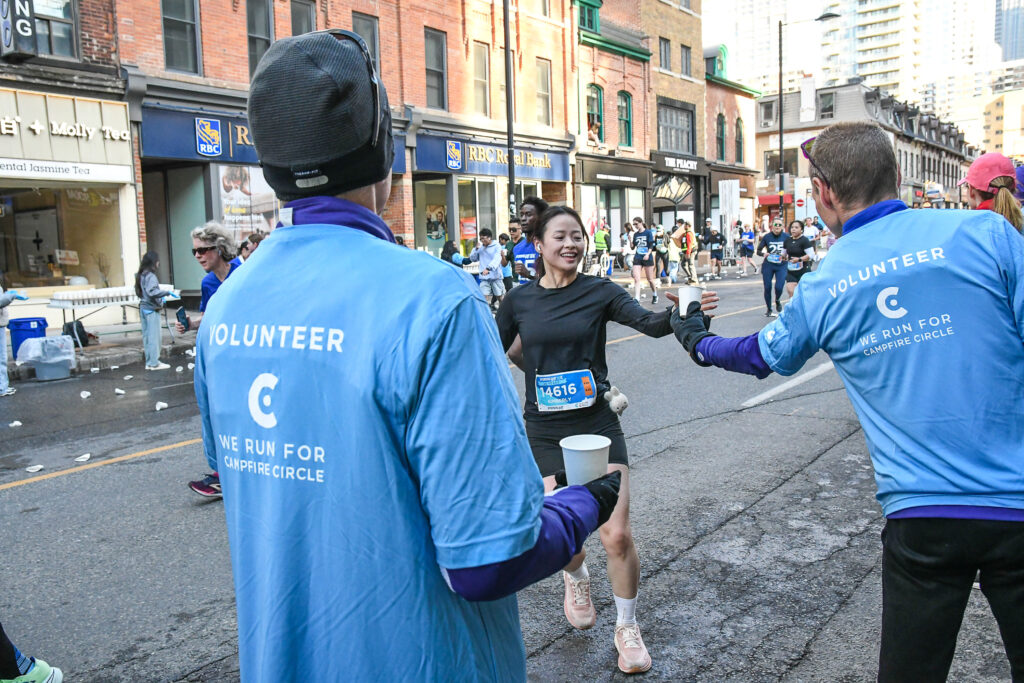
Your volunteers are your event day superheroes, and they deserve to feel confident and prepared. This week is crucial for setting them up to succeed.
Prep and Communicate Clearly
Send your volunteers a final briefing that covers:
- Their specific role and arrival time
- What to wear and what you’ll provide
- Their point person for questions
Include a contact list and basic event timeline so they understand how their responsibilities fit into the big picture.
Make Their Day Easy
Think about the volunteer experience: Will they know where to park? Where to check in? What to do if they need a bathroom break or have questions? Consider creating simple instruction cards for each volunteer role—the kind they can reference quickly when things get busy. Well-prepared volunteers are confident volunteers, and confident volunteers create better experiences for everyone.
Prepare You and Your Team
The week leading up to the event, prioritize getting enough sleep, staying hydrated, and eating well. Event day is like running your own ultra—you need sustained energy and clear thinking for hours.
Plan your own logistics too. What will you wear? (Weather-appropriate with pockets for your phone and radio.) What will you eat? (Pack snacks you actually like.) Where will you put your essentials? (A small bag or fanny pack beats juggling a dozen loose items.)
Prepare for the Unexpected
Build Your Day-Of Reference Guide
Create a simple troubleshooting reference for common situations: late registrations, payment issues, participant changes, weather concerns. Having quick answers ready means you can solve problems confidently instead of second-guessing yourself under pressure.
Rally Your Support Network
Touch base with your key volunteers, vendors, and partners. A quick “we’re all set for Saturday, see you at 6 AM” text goes a long way toward confirming everyone’s on the same page. Plus, it gives people a chance to speak up if something’s changed on their end.
You’ve Got This
Event directing combines the strategic thinking of a chess master with the adaptability of an endurance athlete. You’ve been training for this: not just for this event, but every time you’ve solved a problem, made a decision, or learned something new about what makes events special.
Your participants are excited. Your volunteers are ready to help. Your event is going to create memories and maybe even inspire someone to push their own boundaries. That’s pretty amazing when you think about it.
The finish line is in sight, and you’re going to nail it. Now go get some rest—you’ve earned it, and you’ll need that energy for the celebration ahead.